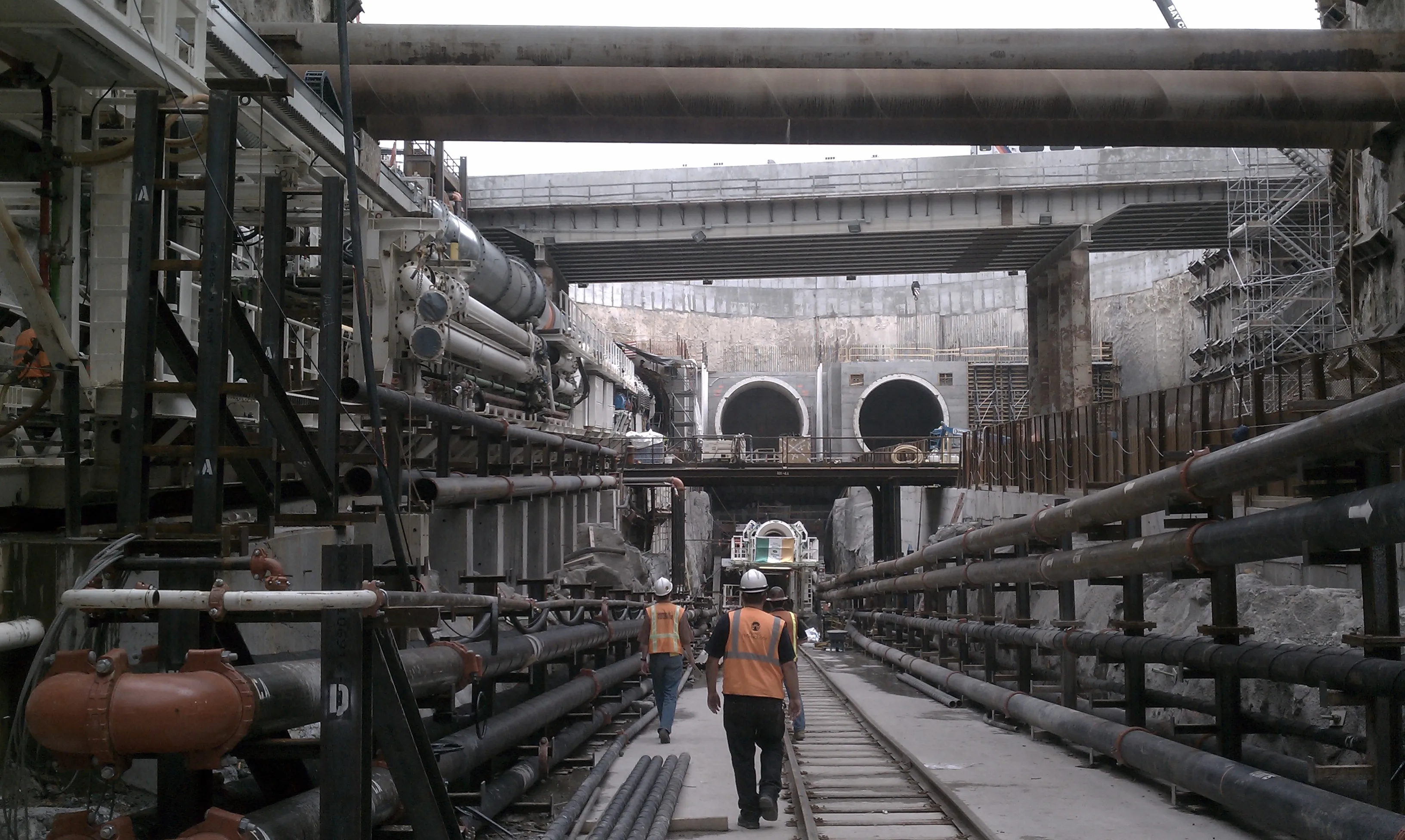
Confidence beneath the surface.
Tunneling projects present unique engineering challenges: from variable ground conditions to the strict settlement limits of the urban infrastructure overhead. Our instrumentation safeguards the excavation from the first cutterhead rotation to final lining installation, delivering a continuous stream of geotechnical and structural data.
That data lets project teams optimize excavation rates, whether TBM or drill-and-blast, while maintaining strict regulatory compliance. We help you visualize ground behavior in real time, ensuring the stability of the tunnel face and the safety of the community above.
Core Tunneling Services
05 disciplinesReal-Time Convergence Monitoring
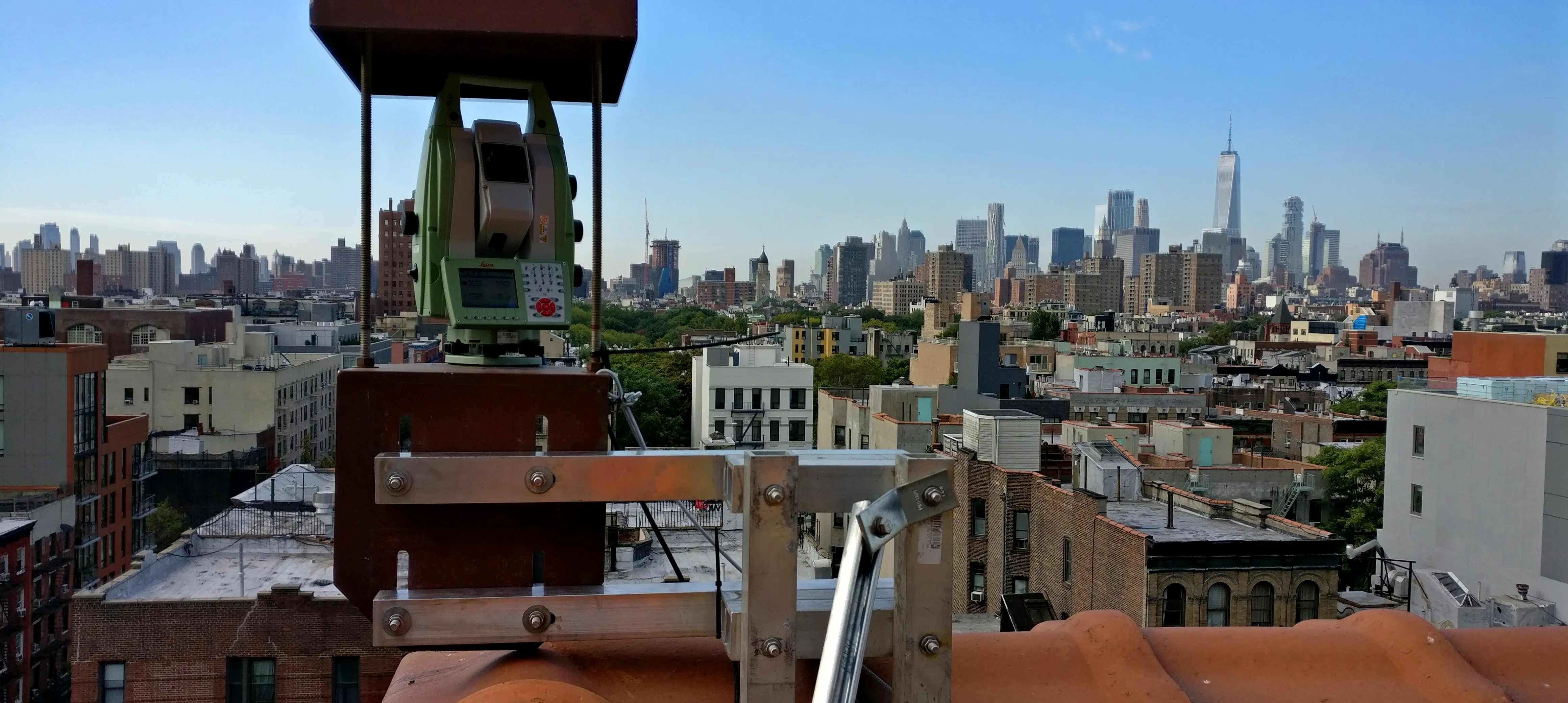
Automated motorized total stations (AMTS) paired with arrays of optical prisms on the tunnel ribs and lining deliver continuous, millimeter-accurate measurement of convergence and crown settlement, verifying the primary support is holding the load effectively.
Ground Deformation & Settlement
A dual-layer strategy protects overlying assets: automated surface settlement points and liquid-level systems track subsidence, while multipoint borehole extensometers, piezometers, and inclinometers above the alignment reveal how soil layers shift deep underground, before surface damage occurs.
Tunnel Lining Stress & Strain
Vibrating-wire strain gauges and pressure cells embedded in concrete segments and shotcrete reveal the actual hoop stress and bending moments acting on the lining, confirming it can carry the long-term lithostatic and hydrostatic loads.
Vibration & Noise Monitoring
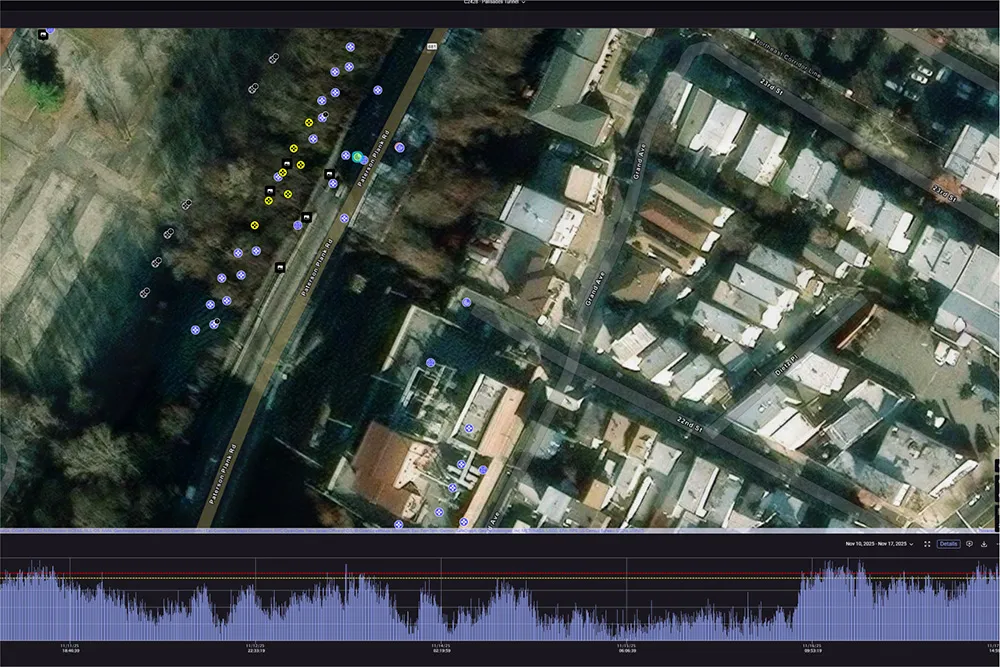
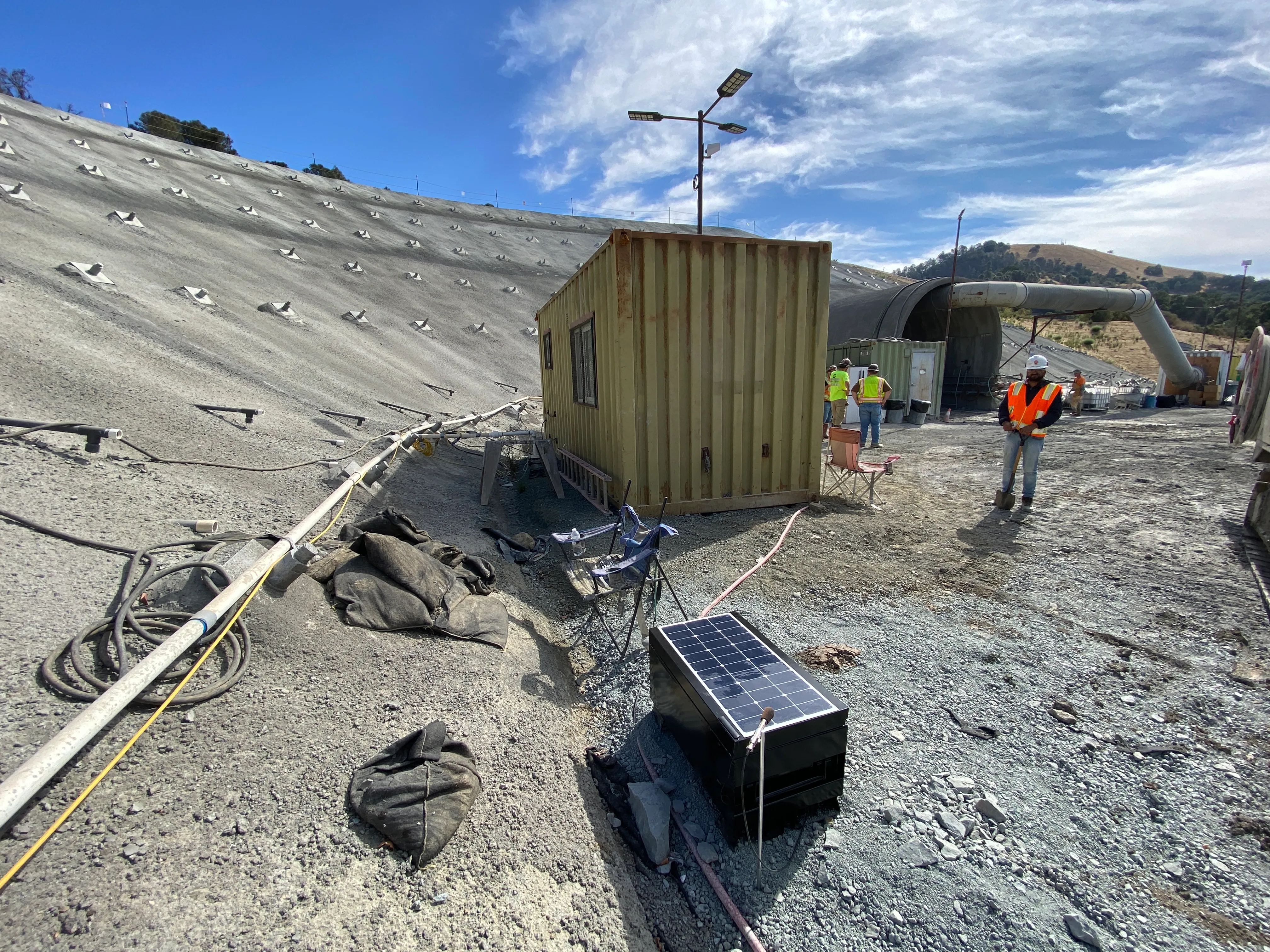
Automated seismographs track peak particle velocity (PPV) in real time, triggering alarms the moment excavation approaches the specific vibration criteria for nearby historic buildings or sensitive utilities.
Groundwater & Pore Pressure
Piezometers monitor pore-water pressure and groundwater levels around the excavation zone, vital for assessing the effectiveness of dewatering programs and preventing soil liquefaction or face instability.
Advanced Tunnel Technologies
TBM Parameter Integration
We correlate geotechnical data with the boring machine's thrust, torque, and penetration rate, so engineers see exactly how TBM operation is affecting the ground in real time.
LiDAR As-Built Verification
Mobile LiDAR scanners build a high-density 3D map of the tunnel interior to check over-break and under-break and create a permanent digital record of the geometry for asset management.
Wireless Underground Transmission
Robust wireless mesh networks hop data from sensor to sensor until it reaches the portal: reliable data flow without the clutter and risk of cabling in an active tunnel.