A continuous pulse on your most critical assets.
Bridges are dynamic structures subject to constant loading, environmental aggression, and aging. Our bridge monitoring solutions go beyond basic compliance, delivering the precision data needed to extend the operational life of these critical assets.
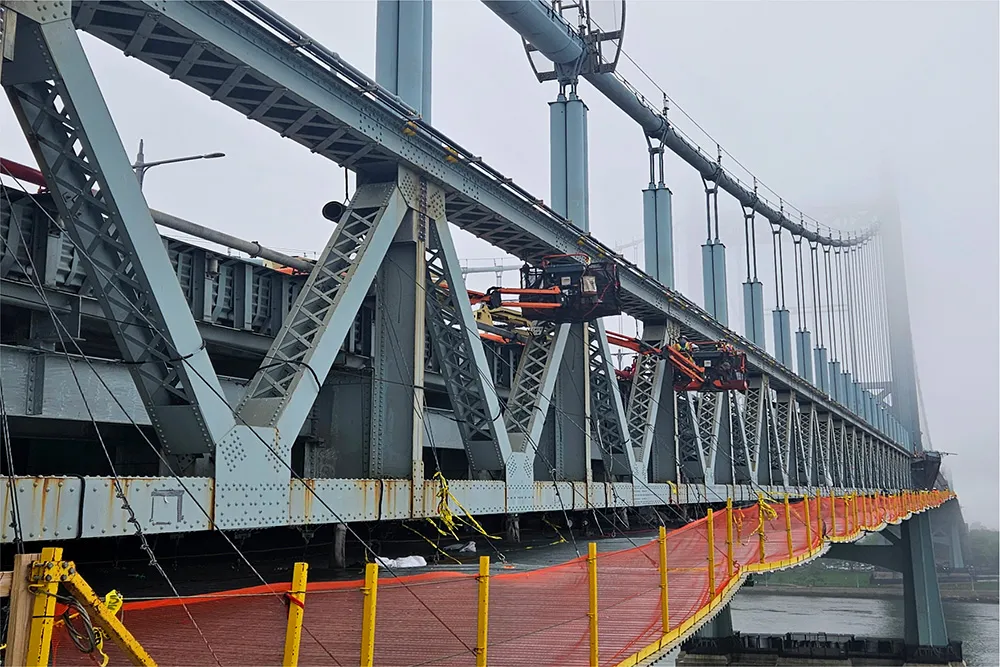
Whether for a new long-span suspension bridge or a historic rehabilitation, our systems safeguard structural safety from the first day of construction through decades of maintenance. Real-time sensors track stress, strain, and movement under live traffic loads, so owners can mitigate risk, optimize maintenance budgets, and prevent catastrophic failure before it occurs.
Core Monitoring Services
05 disciplinesStructural Health Monitoring (SHM)
A central nervous system for the bridge: strain gauges, accelerometers, and temperature probes integrated into one model to verify the structure behaves per its design and to surface hidden damage that visual inspection misses.
Tilt & Displacement Monitoring
High-precision tiltmeters and AMTS track the verticality of piers and pylons, while GNSS sensors measure global displacement of deck and towers to millimeter accuracy on long spans.
Load & Strain Measurement
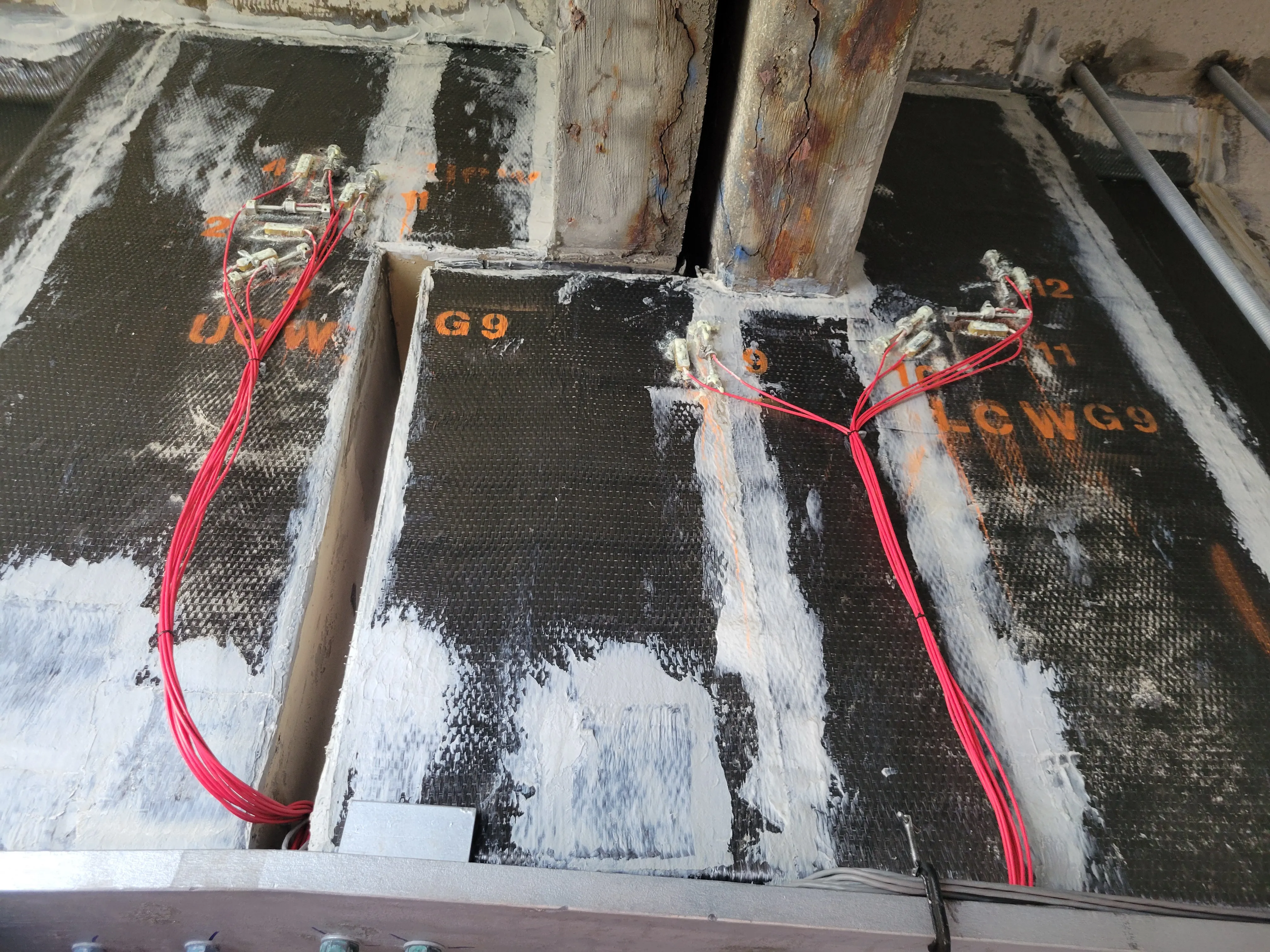
Vibrating-wire and foil strain gauges on girders and truss chords capture stress cycles in real time, quantifying fatigue-life usage and verifying capacity for heavy and permit-load vehicles.
Vibration Monitoring
Triaxial accelerometers record dynamic response to wind and traffic; shifts in natural frequency over time reveal loss of stiffness or internal damage such as a cracked girder.
Corrosion Monitoring
Embedded probes in the deck and substructure detect the onset of rebar corrosion and chloride ingress before spalling occurs, enabling targeted, preventative maintenance.
Advanced Bridge Technologies
Scour Monitoring
The leading cause of bridge failure is hydraulic, not structural. Sonar and magnetic sliding-collar sensors at riverbed piers track sediment erosion through storm events and trigger instant alarms the moment foundation stability is threatened.
Expansion Joint Monitoring
LVDT displacement transducers verify that joints open and close correctly with temperature, catching seized joints before they transfer massive unintended thermal loads and crack the structure.